

Dark mode

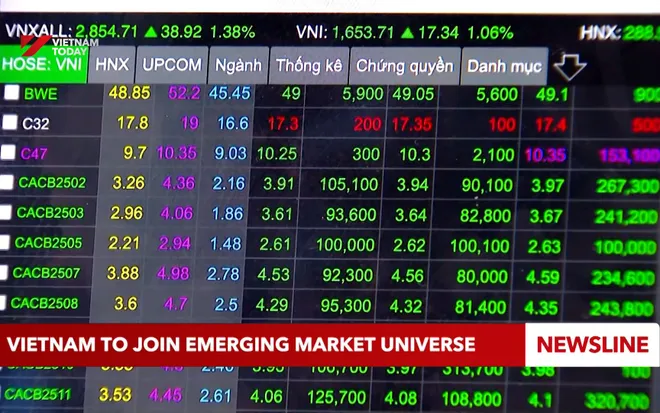
Vietnam to join emerging market universe
Vietnam is about to enter a new league in global capital markets. After being placed on FTSE Russell’s watch list in 2018, Vietnam was announced for an upgrade from Frontier to Secondary Emerging Market status in 2025, following years of reforms and preparation.

Vietnamese content creators shape digital economy
Economy 02:50Content creation is becoming an increasingly important part of Vietnam’s digital economy. As creators build communities around their content, their influence is also opening new ways for businesses to connect with consumers, and creating new forms of value in the digital space.
Vietnam to join emerging market universe
EconomyVietnam is about to enter a new league in global capital markets. After being placed on FTSE Russell’s watch list in 2018, Vietnam was announced for an upgrade from Frontier to Secondary Emerging Market status in 2025, following years of reforms and preparation.
Vietnamese businesses turn culture into exports
Economy 02:55Global consumers are increasingly seeking products that combine craftsmanship, authenticity and cultural identity. According to UNESCO, developing economies now account for 46% of global exports of cultural goods, reflecting the growing commercial value of culture. For Vietnamese businesses, this presents an opportunity not only to export products but also to share the stories and traditions behind them.
Deep processing enhances tuna export value
Economy 03:02With a turnover of US$622 million in the first eight months of 2026, tuna is a key export item for Vietnam's fisheries sector. However, due to competitive pressures, costs, and traceability requirements, growth can no longer rely solely on volume. Making improvements across the production chain is vital for businesses to enhance export value and international competitiveness.

International confidence grows in Vietnam's forest carbon market
Economy 03:07For Vietnam, forest carbon is not only a potential source of climate finance, but also a way to advance its international commitment to net-zero emissions by 2050. Building on its experience with forest carbon programmes, the country is now working to finalise an Emissions Reductions Purchase Agreement for the South Central Coast and Central Highlands. International partners see strong potential for Vietnam to develop a high-quality forest carbon market.
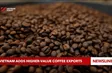
Vietnam adds higher-value coffee exports
Economy 03:17According to Vietnam Customs, Vietnam exported 1.26 million tonnes of coffee by mid-August 2026, up 12% year on year. Vietnamese companies are moving deeper into the coffee value chain, tapping higher value stages and strengthening Vietnamese coffee brands.
Contact us
+(84)24.6327.1999 | Fax: +(84)24.3771.8838
vietnamtoday@vtv.vn
43 Nguyen Chi Thanh Street, Giang Vo, Hanoi, Vietnam
About us
Connect with us


