

Dark mode

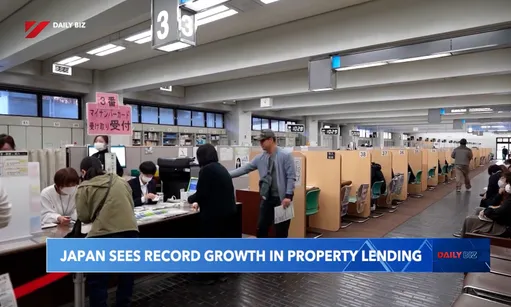
Japan sees record growth in property lending
Economy 00:01:40.906667.00Japanese banks, particularly regional lenders, are increasingly focusing on the property market.
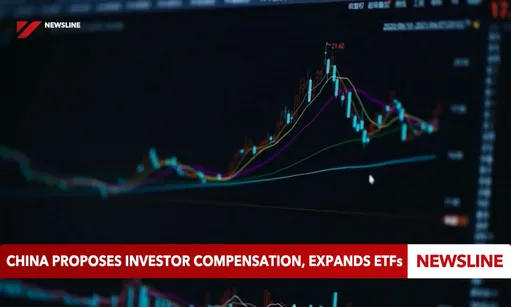
China proposes investor compensation, expands ETFs
Economy 00:01:32.672.00China’s securities regulator has proposed a mechanism to compensate investors affected by securities market violations. It is also expanding exchange-traded fund (ETF) options to attract more capital and broaden investment opportunities.
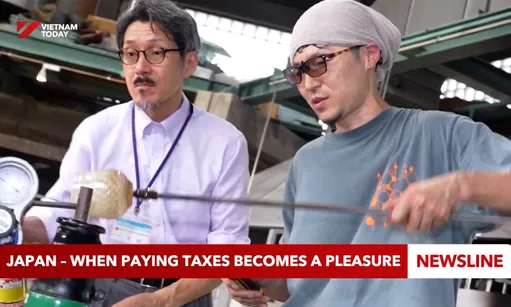
Japan – When paying taxes becomes a pleasure
Economy 00:02:44.629333.00Japan’s "Hometown Tax" scheme allows taxpayers to support rural communities in exchange for local gifts and hotel vouchers. While boosting regional economies, the program is sparking debate over tax revenue losses in major cities.
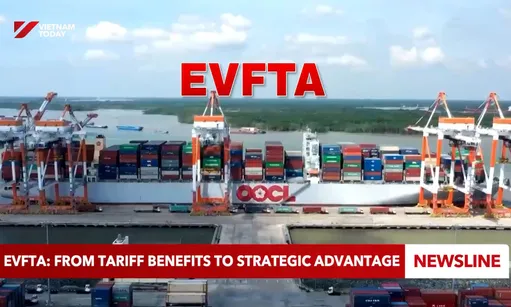
EVFTA: From tariff benefits to strategic advantage
Economy 00:06:50.38933300000002.00Six years after taking effect, the EU-Vietnam Free Trade Agreement is entering a new phase. With tariffs now eliminated on nearly 99% of Vietnamese exports to the EU, the agreement has helped expand trade, investment and economic ties. But as tariff benefits reach their limit, Vietnamese exporters face tougher requirements in the European market, with EU regulations placing greater emphasis on carbon emissions, traceability and supply chain transparency.

Green industrial parks: A new edge for investment
Economy 00:07:41.674667.00As global supply chains prioritise sustainability, Vietnam is accelerating the development of green industrial parks. Highlighted during Vietnam Climate Week, this transition integrates smart resource management, green financing and renewable energy to lower emissions. By expanding eco-industrial models, Vietnam aims to reduce operating costs, attract high-quality foreign investment and strengthen its competitive edge as a sustainable global manufacturing destination.
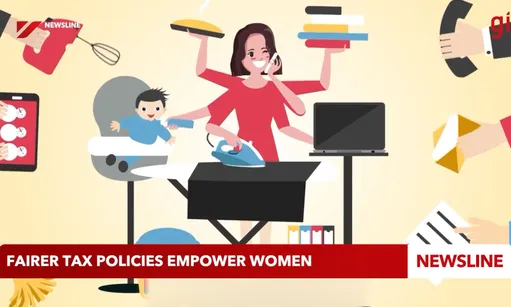
Fairer tax policies empower women
Economy 00:03:21.792.00Vietnam has made progress in promoting gender equality, but equal opportunities do not always mean identical challenges. Nearly 97 per cent of women-owned SMEs are micro or small businesses, according to the Women’s Initiative for Startups and Entrepreneurship.
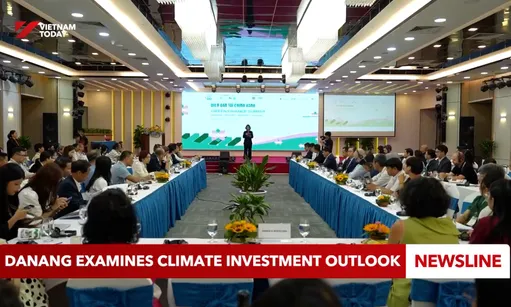
Danang examines climate investment outlook
Economy 00:02:6.506666999999993.00As Vietnam faces growing climate risks, financing the green transition remains a major challenge, particularly for small and medium-sized businesses.
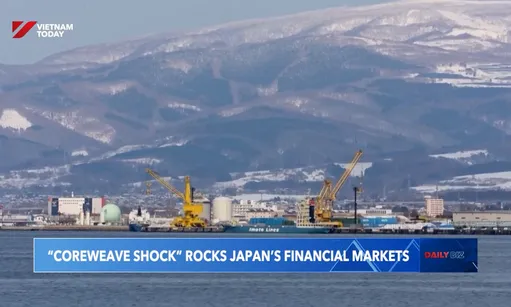
“CoreWeave shock” rocks Japan’s financial markets
Economy 00:01:49.504000000000005.00A sharp plunge in the shares and bonds of CoreWeave, a US provider of AI cloud infrastructure, sent shockwaves through Japan’s financial markets last week, triggering one of the country's three biggest single-day market declines on record.
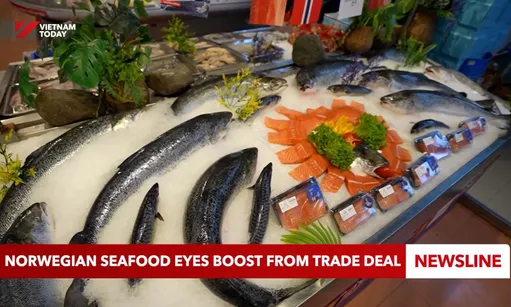
Norwegian seafood eyes boost from trade deal
Economy 00:02:39.957333000000006.00Fresh salmon exports jumped by 40 per cent in 2025, and the upcoming free trade agreement between Vietnam and the European Free Trade Association could open the door to further expansion. Norwegian exporters are now looking to capitalise on rising demand and strengthen their foothold in the Vietnamese market.
Contact us
+(84)24.6327.1999 | Fax: +(84)24.3771.8838
vietnamtoday@vtv.vn
43 Nguyen Chi Thanh Street, Giang Vo, Hanoi, Vietnam
About us
Connect with us


