

Dark mode

Students adapting to AI-driven labour market
Students in Việt Nam are adapting to an AI-driven labour market, as artificial intelligence reshapes how the world works. With 72% of businesses already adopting AI (according to Forbes), the focus is shifting beyond technical skills to human-AI collaboration. As the lines blur, a new generation is positioning itself for the global digital workforce.

Coffee waste powers green energy
Society 02:00In Việt Nam, young innovators are stepping up with practical solutions, including a student group turning coffee waste into a promising clean energy source. Beyond the lab, they are taking the project to schools, teaching waste sorting and clean energy while inspiring environmental awareness and innovation among young people.

Peaceful life flourishes on Trường Sa Island
Society 01:46Hundreds of kilometres from the mainland, amid the sound of waves on all sides, a peaceful way of life is clearly visible on Trường Sa Island in the Trường Sa Special Zone, Khánh Hòa Province. Far from their hometowns, residents here still live in warmth and carry close bonds with the soldiers stationed on the island.

Energy price swings challenge European economy
Society 05:34Tensions in the Middle East are refocusing Europe’s attention on energy price volatility and its potential impact on the regional economy. With input costs still high and economic recovery slow, these pressures are expected to weigh on production, consumption, and prices in the months ahead.

More Vietnamese embrace electric vehicles
Society 06:10As fuel prices rise, more Vietnamese are turning to electric vehicles for daily travel. From lower charging costs to growing adoption of electric bikes and cars, the shift towards cleaner mobility is becoming increasingly visible, though some drivers are still weighing the change.
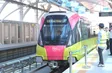
Public transport ridership rises in Hà Nội
Society 00:46Public transport use in Hà Nội is on the rise, with metro ridership jumping to up to 80,000 passengers a day. As fuel prices fluctuate, more commuters are choosing buses and trains over private vehicles, marking a clear shift towards more sustainable urban travel.

Students adapting to AI-driven labour market
Society 02:39Students in Việt Nam are adapting to an AI-driven labour market, as artificial intelligence reshapes how the world works. With 72% of businesses already adopting AI (according to Forbes), the focus is shifting beyond technical skills to human-AI collaboration. As the lines blur, a new generation is positioning itself for the global digital workforce.
Contact us
+(84)24.6327.1999 | Fax: +(84)24.3771.8838
vietnamtoday@vtv.vn
43 Nguyen Chi Thanh Street, Giang Vo, Hanoi, Vietnam
About us
Connect with us


