

Dark mode

Fairer tax policies empower women
Vietnam has made progress in promoting gender equality, but equal opportunities do not always mean identical challenges. Nearly 97 per cent of women-owned SMEs are micro or small businesses, according to the Women’s Initiative for Startups and Entrepreneurship.

Green industrial parks: A new edge for investment
Economy 07:41As global supply chains prioritise sustainability, Vietnam is accelerating the development of green industrial parks. Highlighted during Vietnam Climate Week, this transition integrates smart resource management, green financing and renewable energy to lower emissions. By expanding eco-industrial models, Vietnam aims to reduce operating costs, attract high-quality foreign investment and strengthen its competitive edge as a sustainable global manufacturing destination.

Fairer tax policies empower women
Economy 03:21Vietnam has made progress in promoting gender equality, but equal opportunities do not always mean identical challenges. Nearly 97 per cent of women-owned SMEs are micro or small businesses, according to the Women’s Initiative for Startups and Entrepreneurship.
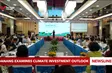
Danang examines climate investment outlook
Economy 02:06As Vietnam faces growing climate risks, financing the green transition remains a major challenge, particularly for small and medium-sized businesses.

“CoreWeave shock” rocks Japan’s financial markets
Economy 01:49A sharp plunge in the shares and bonds of CoreWeave, a US provider of AI cloud infrastructure, sent shockwaves through Japan’s financial markets last week, triggering one of the country's three biggest single-day market declines on record.

Norwegian seafood eyes boost from trade deal
Economy 02:39Fresh salmon exports jumped by 40 per cent in 2025, and the upcoming free trade agreement between Vietnam and the European Free Trade Association could open the door to further expansion. Norwegian exporters are now looking to capitalise on rising demand and strengthen their foothold in the Vietnamese market.
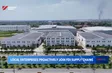
Local enterprises proactively join FDI supply chains
Economy 03:07Under the Politburo's Resolution 10 on foreign investment, Vietnam aims for 10,000 domestic firms to join FDI supply chains by 2030. To reach this target, local supporting industries are upgrading technology and workforce standards for global integration.
Contact us
+(84)24.6327.1999 | Fax: +(84)24.3771.8838
vietnamtoday@vtv.vn
43 Nguyen Chi Thanh Street, Giang Vo, Hanoi, Vietnam
About us
Connect with us


