

Dark mode

China unlocks ice & snow manufacturing potential
China’s ice-and-snow economy is growing through the combined expansion of tourism and a complete industrial chain. From ski equipment and winter apparel to artificial snowmaking and creative industries, related sectors are developing in tandem, adding strong value.

Vietnam’s digital path: a UK perspective
Economy 03:19Vietnam’s recent policy direction emphasizes the digital economy and international cooperation, as highlighted in key speeches at the 14th National Party Congress. Insights from the British Embassy underline the country’s potential and growing UK–Vietnam collaboration in the global digital economy.

China unlocks ice & snow manufacturing potential
Economy 01:40China’s ice-and-snow economy is growing through the combined expansion of tourism and a complete industrial chain. From ski equipment and winter apparel to artificial snowmaking and creative industries, related sectors are developing in tandem, adding strong value.

14th National Party Congress drives digital transformation
Economy 02:24The 14th National Congress of the Communist Party of Vietnam was not only a major political event but also sent a strong message about the country’s determination to promote national digital transformation. Centring on the people and their happiness, the Congress highlighted digital transformation as an inevitable driver of rapid and sustainable development.

Vietnam’s reform & growth through international lens
Economy 03:25In recent years, Vietnam has recorded positive results in socio-economic development and has been implementing a range of reforms aimed at improving growth quality and economic competitiveness. These efforts have drawn attention from international partners.
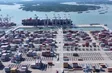
Vietnam: Rising engine of regional growth
Economy 02:29The ASEAN+3 Macroeconomic Research Office (AMRO) forecasts that Vietnam will continue to lead growth within the ASEAN+3 bloc in 2026. The outlook highlights Vietnam's increasingly prominent role in regional supply chains.

UAE – A gateway for Vietnamese agricultural products
Economy 02:57Vietnam’s agricultural exports to the United Arab Emirates (UAE) reached over 445 million USD in 2025, marking an increase of nearly 24% compared to the previous year. What are the strengths of Vietnamese agricultural products, and how can growth be further accelerated in this highly promising market?
Contact us
+(84)24.6327.1999 | Fax: +(84)24.3771.8838
vietnamtoday@vtv.vn
43 Nguyen Chi Thanh Street, Giang Vo, Hanoi, Vietnam
About us
Connect with us


