

Dark mode

China raises foreign currency reserve requirements
For the first time in nearly five years, China has raised the foreign currency reserve requirement ratio for financial institutions. The move comes as the yuan continues to strengthen against the US dollar, raising concerns over the competitiveness of Chinese exports.

Viet Nam moves towards airport-led growth
Economy 03:14Viet Nam is ramping up investment in aviation infrastructure, with plans to expand its airport network to 36 by 2030. But it is looking beyond just increasing passenger and cargo capacity. Airports are increasingly being positioned as engines of economic growth, bringing together aviation, logistics, manufacturing, and urban development, a concept known as the aerotropolis model.

Rising shipping costs put pressure on U.S. retailers
Economy 01:46Increasing shipping costs are becoming a headache for U.S. retailers ahead of the holiday shopping season. Higher fuel prices and tighter freight capacity are forcing businesses to reassess inventory levels to protect their profits.
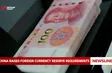
China raises foreign currency reserve requirements
Economy 01:33For the first time in nearly five years, China has raised the foreign currency reserve requirement ratio for financial institutions. The move comes as the yuan continues to strengthen against the US dollar, raising concerns over the competitiveness of Chinese exports.

Viet Nam seeks to advance LNG infrastructure
Economy 01:42Viet Nam is accelerating LNG infrastructure development to meet growing energy demand. But fragmented investment, financing challenges, and regulatory hurdles continue to hold back progress. A seminar in Ha Noi discussed ways to overcome these barriers, and drawing on lessons from other markets.

Stablecoins – a new monetary challenge
Economy 03:19In just six years, the global stablecoin market has grown from less than 10 billion US dollars to more than 300 billion dollars. A new study by the European Central Bank shows that 5% of consumers surveyed across 11 euro area countries hold stablecoins. This rapid expansion is raising concerns about financial stability and the growing influence of the US dollar on national monetary systems.
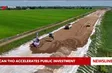
Can Tho accelerates public investment
Economy 02:37Securing construction materials, handing over land early and adding work shifts, Can Tho is taking a range of measures to accelerate public investment disbursement in the final months of the year.
Contact us
+(84)24.6327.1999 | Fax: +(84)24.3771.8838
vietnamtoday@vtv.vn
43 Nguyen Chi Thanh Street, Giang Vo, Hanoi, Vietnam
About us
Connect with us


