

Dark mode

Vietnam agriculture – rooted to nation’s success
Vietnam’s agriculture and environment sector marks 80 years of resilience, moving from wartime food security to a global powerhouse. After starting food imports post-1975, Vietnam became a top rice exporter by 1989 and briefly led the world in 2012. In 2024, agro-forestry-aquatic exports hit $62.5 billion, with coffee ranking second worldwide and Robusta first.

Việt Nam's silver economy sparks senior-care boom
Economy 02:25Việt Nam's population is ageing rapidly, and that is creating growing demand for eldercare services while opening up what many now call the "silver economy". And businesses are responding in different ways, from resort-style nursing homes to more flexible and affordable care models designed for older adults.
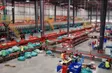
AI reshapes supply chain planning and logistics
Economy 07:12As Việt Nam’s logistics industry continues to grow rapidly, operational pressure is also mounting. To remain competitive in the global supply chain, businesses are increasingly applying AI across multiple stages, from demand forecasting and inventory management to route optimization.

Chinese exports pressured Europe
Economy 02:19According to the latest data from the MERICS China Institute in Berlin and the US-based Rhodium Group, Chinese investment in Europe rebounded strongly in 2025, reaching its highest level since 2018. However, behind the recovery lies a notable shift: Chinese companies appear to be growing more cautious about building new factories in Europe, while continuing to increase exports to the European market.

Vietnamese leather goods win domestic trust
Economy 02:51Việt Nam's leather industry remains a key economic player and export powerhouse. Meanwhile, handmade leather accessories are carving out a vibrant space in the domestic market as consumer tastes shift toward authenticity and pride in made-in-Việt Nam products.

Green lane needed for durian exports
Economy 02:23Electronic QR authentication labels are opening a new pathway for Vietnamese durian exports to China, with customs clearance reduced to just six days under the new "green lane" mechanism. The system allows full digital traceability across the supply chain, from orchard testing to packaging and transportation. However, despite expectations from farmers and businesses, the process has not been expanded beyond the first pilot shipment.

BPI drives real business growth
Economy 07:32The Business Performance Index (BPI) was introduced this year, alongside the familiar PCI (Provincial Competitiveness Index) rankings. A locality's competitiveness is no longer measured only by the amount of FDI it can attract, but also by whether domestic enterprises are able to upgrade their production capabilities and participate more deeply in global supply chains.
Contact us
+(84)24.6327.1999 | Fax: +(84)24.3771.8838
vietnamtoday@vtv.vn
43 Nguyen Chi Thanh Street, Giang Vo, Hanoi, Vietnam
About us
Connect with us


