

Dark mode

Energy security: A foundation for a new era
To meet surging power demand and lower emissions, Vietnam is prioritizing long-term energy security under Resolution No. 70. By reviving its nuclear power project in Khanh Hoa alongside renewable energy expansion, the nation aims to secure a stable baseload supply for sustainable future growth.
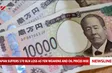
Japan suffers $70 billion loss as yen weakens and oil prices rise
Economy 01:46Japan's annualised economic loss from import prices rising faster than export prices exceeded 71 billion dollars in the third quarter, compared with 2020. Losses increased for a third consecutive quarter, further eroding the economy's purchasing power.

Wall Street looks beyond revenue growth
Economy 01:49Many S&P 500 companies have posted strong revenue growth this earnings season. But as spending on AI infrastructure climbs, Wall Street is looking beyond sales. Investors want to see whether companies can improve profit margins and generate more free cash flow.

EU seeks alternatives to strategic raw materials
Economy 05:36The European Union is stepping up efforts to reduce reliance on rare earth elements and other critical raw materials in industrial production. European researchers are exploring alternatives, including rare-earth-free permanent magnets and new energy-storage materials made from curved graphene. The initiatives form part of the EU’s ambition to become a global leader in advanced materials by 2035.
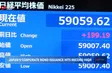
Japan's corporate bond issuance hits record high
Economy 01:49Corporate bond issuance for individual investors in Japan has exceeded three trillion yen this year, reaching an all-time high. The surge is driven by growing corporate funding needs and attractive bond yields amid rising interest rates.
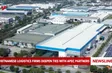
Vietnamese logistics firms deepen ties with APEC partners
Economy 06:13Following the APEC Economic Leaders’ Week in Shenzhen, China, the focus is now on the Summit’s outcomes, especially for Viet Nam, and the priorities ahead as the country prepares to host APEC 2027.
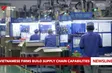
Vietnamese firms build supply chain capabilities
Economy 03:14Viet Nam has become an increasingly important part of regional and global supply chains, but as production networks evolve and technology reshapes markets, Vietnamese businesses face growing pressure to strengthen their capabilities and create more value.
Contact us
+(84)24.6327.1999 | Fax: +(84)24.3771.8838
vietnamtoday@vtv.vn
43 Nguyen Chi Thanh Street, Giang Vo, Hanoi, Vietnam
About us
Connect with us


